
Smart Food Waste Management for Commercial Kitchens
Turn waste into insight, track, reduce, and act on food waste with data that drives cost savings, sustainability impact, and operational improvement.
Read more about managing food waste


What is food waste management?
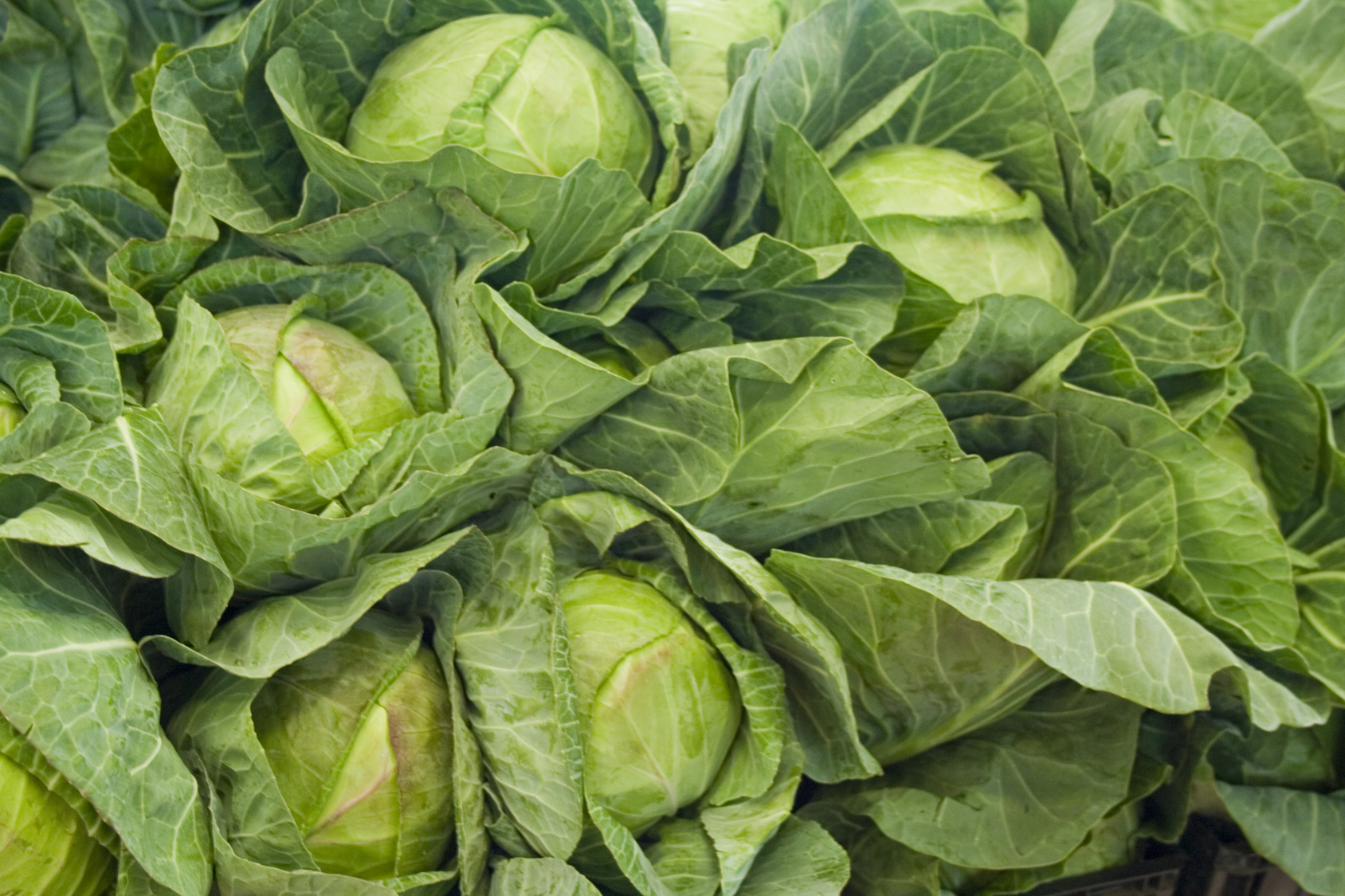
Food waste is edible food that is discarded instead of being eaten.
The FAO defines food waste as “food appropriate for human consumption being discarded, whether it is kept beyond its expiry date or left to spoil.”
Food waste management focuses on preventing waste at the source, then managing unavoidable waste responsibly to reduce cost and environmental impact.
This typically includes:
-
Measuring and reducing food waste
-
Redistribution through food banks
-
Using food as animal feed
-
Energy recovery via anaerobic digestion
-
Composting or responsible disposal
Why food waste tracking matters
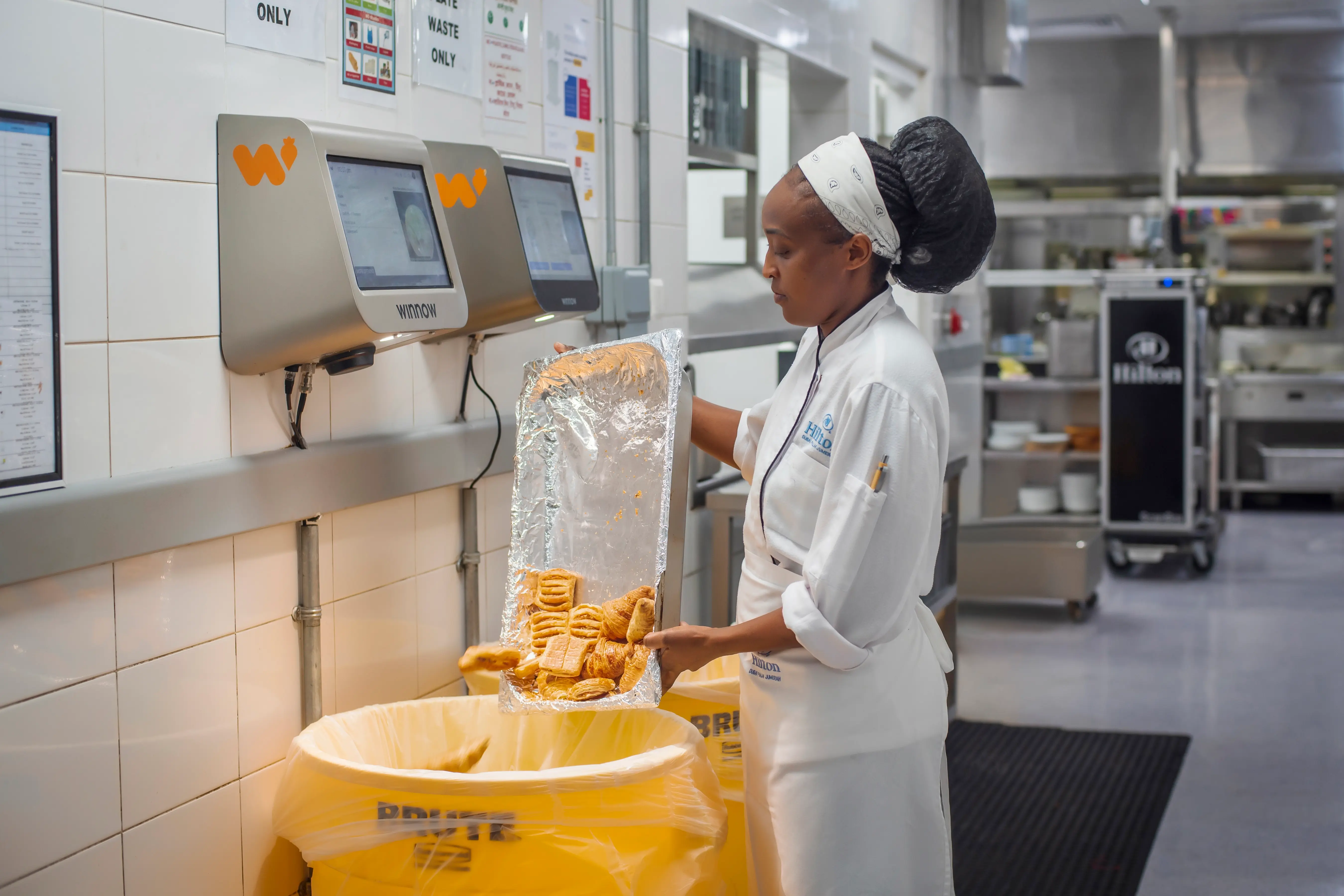
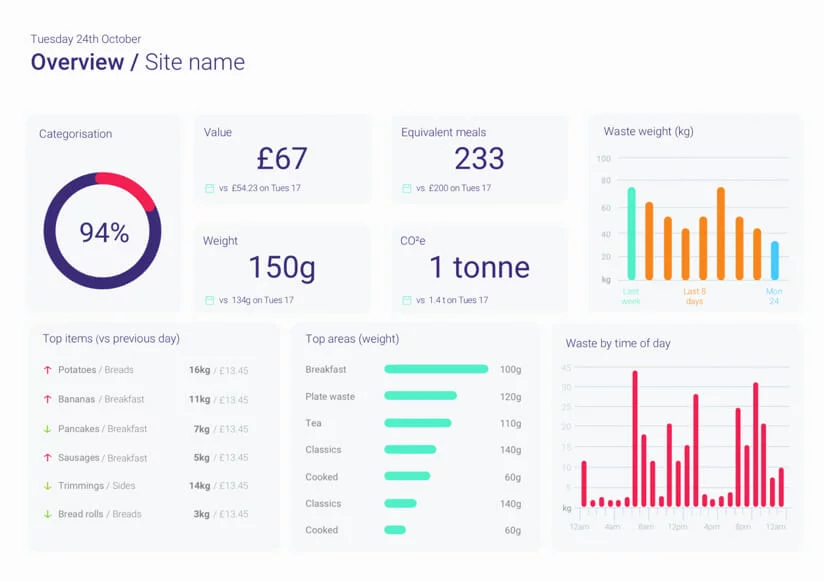
The most effective way to reduce food waste is to measure it accurately.
Historically, food waste tracking has not been a priority for commercial kitchens.
As a result, many kitchens don’t know how much food they throw away — or how much it costs. Where tracking does exist, it is often manual, time-consuming, and inaccurate, leading businesses to significantly underestimate their true food waste levels.
For hospitality operators, robust food waste tracking is essential to cut food costs, reduce carbon emissions, and improve operational efficiency.
%20(1).jpg)
Modern food waste management
Advances in technology have transformed food waste management.
Today, software combined with kitchen-ready hardware enables accurate, automated tracking in busy kitchen environments.
In 2019, Winnow began automating food waste management using AI, allowing kitchens to track waste consistently without manual data entry.
How food waste management works
With automation handling most data collection, food waste management follows a simple process:
-
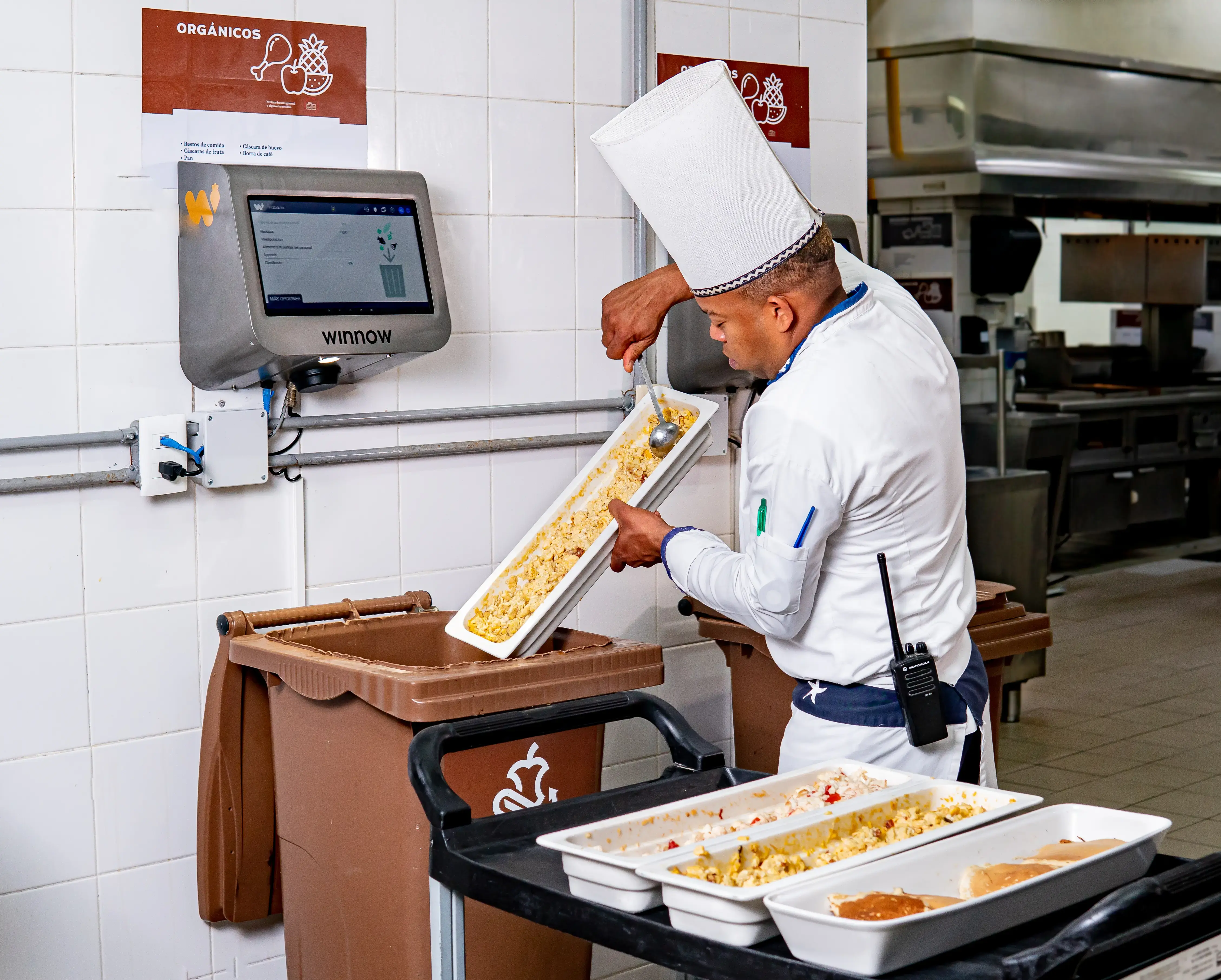
Food is discarded into a designated waste bin
-
AI captures the food type while a scale records the weight
-
Waste is tracked throughout the day, including overproduction, prep waste, cooking errors, and plate waste
-
Data is sent to the cloud, enriched with cost and environmental impact
-
Chefs use clear insights to make operational changes that reduce future waste
The business case for food waste management
Food waste often represents
8-12%
of total food spend in commercial kitchens.

Our clients cut their food costs by between 2 and 8%
See how 3 hotels in Asia have successfully cut waste and increased profitability in their kitchens
Food waste management can return up to
1000% ROI
In year one

Typical ROI 200%-1,000% within the first year of using Winnow
See how IKEA Bergen reduced food waste by 45% over the first 12 weeks

How management can reduce food waste
Reducing food waste starts with leadership. Management plays a critical role in setting expectations, processes, and a culture focused on waste prevention in the kitchen.
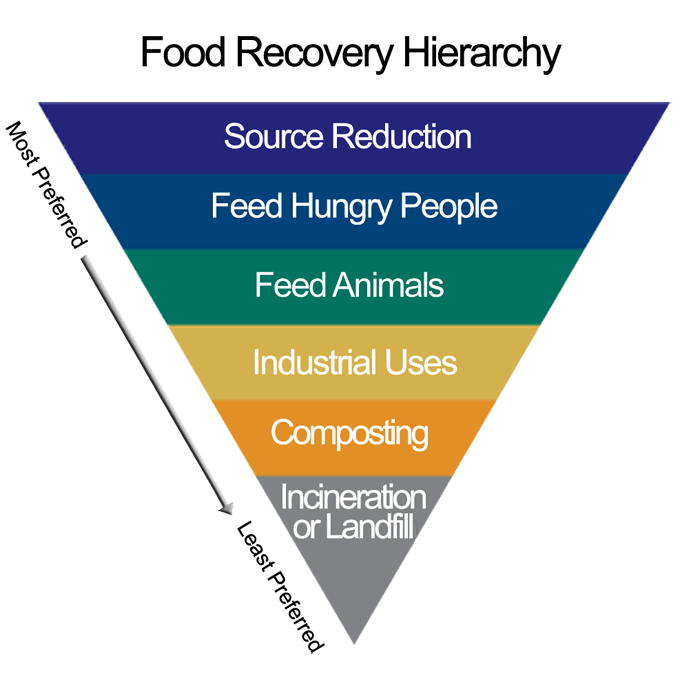
The most effective approach follows the food recovery hierarchy, prioritising prevention first and disposal last.
The food recovery hierarchy
-
Source reduction
Prevent waste by buying only what’s needed and simplifying menus to reduce overproduction. -
Feed people
Donate surplus, safe-to-eat food to food banks, shelters, or community organisations. -
Feed animals
Where permitted, redirect suitable food scraps to animal feed to support local agriculture. -
Industrial uses
Repurpose waste through options like anaerobic digestion for energy or converting used oils into sustainable fuels. -
Composting
Work with local partners to turn unavoidable food waste into compost. -
Landfill or incineration
The least sustainable option and one that should be avoided wherever possible.
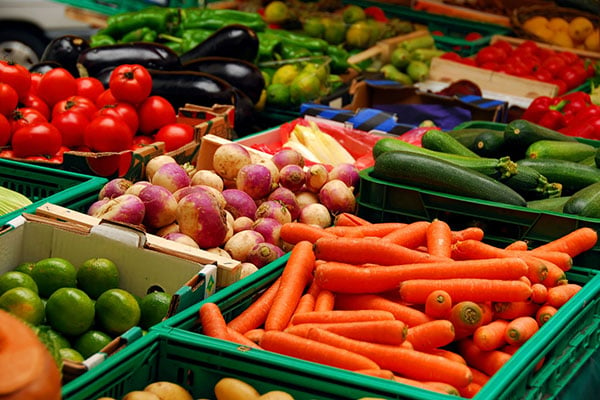
How much food do restaurants need to prepare in advance?

Most restaurants fall into two broad categories, and each carries different food waste risks.
1. High pre-production kitchens
These kitchens prepare 50–75% of food before service, including:
-
Contract catering
-
Hospitals and education
Because demand is harder to forecast in these environments, overproduction is a major source of food waste.
2. Made-to-order kitchens
À la carte kitchens cook meals to order, with only some items (such as sauces or vegetables) prepared in advance. While waste risk is lower, prep errors and plate waste still occur.
How restaurants decide how much food to prepare
Most kitchens estimate advance production using a simple formula:
(Projected usage × buffer %) − quantity on hand
Before ordering, kitchens complete an inventory check. Once a food waste audit and plate waste analysis are added, planning becomes far more accurate and waste can be reduced.
How long can restaurants keep food?
Food safety laws vary by region but are often strict, especially for cooked food and meat products.
In the UK, buffet-style pizza restaurants must discard food after a short holding period due to hygiene and temperature regulations.
In the US, states such as Massachusetts have introduced food waste bans for large generators, as landfill capacity declines. This has pushed restaurants to reduce waste at the source and increase food donation.

What can restaurants do with leftover food?
For food that cannot be sold at full price, restaurants can:
-
Resell surplus via platforms like Too Good To Go. One example is Accor Hotels who have partnered with the app to save more than 10,000 meals.
-
Donate edible food to food banks and community organisations
-
Recover energy or compost unavoidable waste through anaerobic digestion or composting programs
Many hospitality businesses are stepping up in times of need, as highlighted in our Hospitality Heroes stories.
Tools for food-waste management
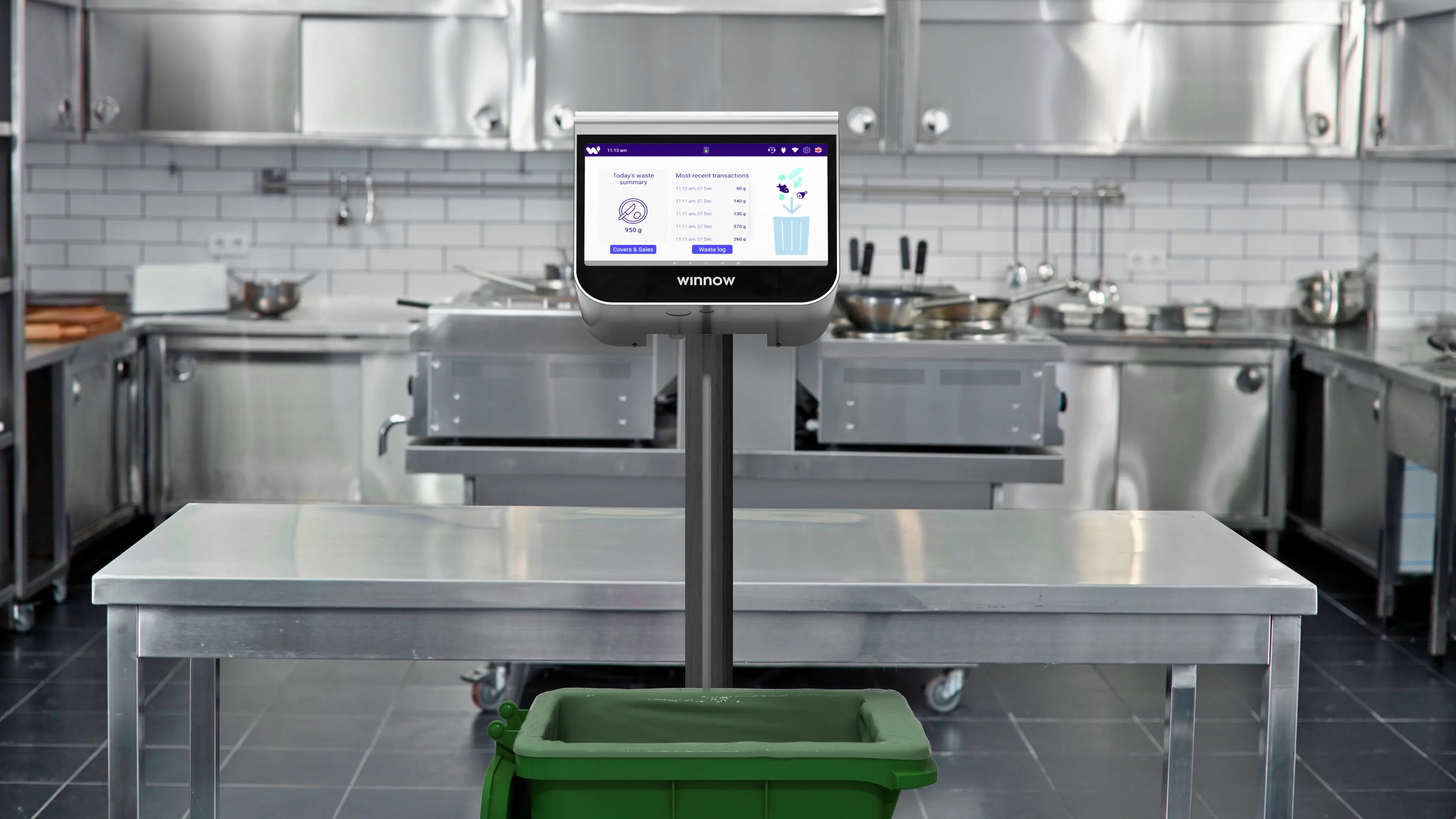
Food waste management tools are systems that track what food is thrown away, how much it weighs, and where waste occurs. In commercial kitchens, these tools range from basic manual tracking to fully automated, AI-powered food waste prevention systems.
Manual tools provide limited, short-term insight. Automated tools provide continuous, accurate data that kitchens can act on every day.
Touchless food waste tracking with Throw & Go
Winnow uses AI-powered, touchless food waste tracking to remove friction from waste recording.
With Throw & Go, kitchen teams throw food away as usual. Winnow’s AI automatically:
-
Identifies the food
-
Weighs it
-
Assigns cost and category
No scanning, no searching, and no workflow disruption. This leads to higher data accuracy and stronger long-term adoption.
What is a food-waste audit?
A food waste audit captures waste over a short period. It shows how much waste exists, but it cannot reliably measure improvement.
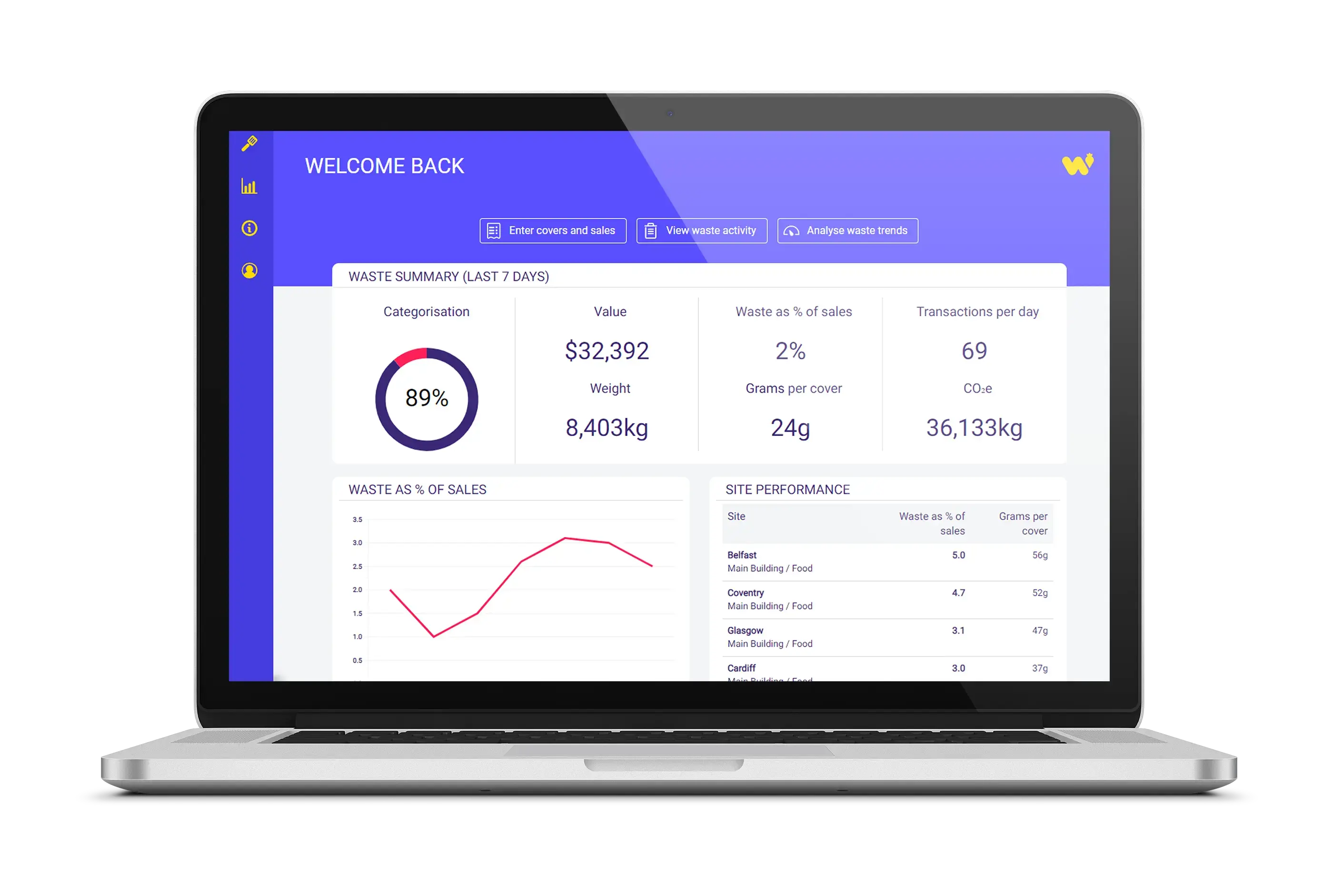
Ongoing food waste management is different. Continuous measurement allows kitchens to:
- Track trends over time
- Adjust production, portions, and menus
- Prevent the same waste from happening again
Kitchens that stop measuring typically see waste levels rise again.
.webp)
Who are the leading food waste management companies?
Food waste management is still an emerging category, and few companies operate at global scale.
Winnow is an AI-powered food waste prevention company that helps commercial kitchens cut food waste and food costs using touchless tracking and Throw & Go technology.
Winnow is used in over 3,000 commercial kitchens globally, with kitchens typically achieving 2–8% food cost reduction by cutting avoidable food waste.
How quickly can food waste management software be implemented?
Modern food waste management software can typically be deployed within weeks, not months.
With Winnow, implementation includes:
- A short baseline period where the kitchen operates as usual
- Automated data capture to establish average food waste levels
- Validation of waste data to ensure accuracy
This baseline is essential. It allows kitchens to:
- Measure real improvement over time
- Link waste reduction to food purchasing and food costs
- Track savings consistently in operational reporting
Most kitchens using Winnow achieve 2–8% food cost reduction by cutting avoidable food waste. Results are driven by ongoing measurement and daily operational decisions, not one-off audits.
Who this is for
This information is most relevant for:
- Executive Chefs and kitchen teams managing production and waste
- General Managers responsible for food cost control
- Sustainability and ESG leads needing auditable food waste data
- Multi-site operators seeking consistent reporting and benchmarking
It applies across hotels, resorts, contract catering, universities, casinos, and cruise operations.
How we've helped clients reduce food waste in their industry
Winnow is the leading food management solution for the contract catering, hotels & casinos, quick service restaurant, supermarket, and cruise ship sectors. Find out how we've helped our clients.



Frequently Asked Questions
What are the benefits of food waste management?


Effective food waste management helps commercial kitchens reduce food costs, cut environmental impact, and improve operational efficiency. Accurate, ongoing waste data gives kitchen teams visibility into waste trends, enabling smarter decisions and more sustainable, profitable operations.
How long does it take to start seeing results?
After installing a food waste management system, kitchens can begin targeting key waste areas within the first 3 months. Significant reductions often follow as teams act on daily insights. Kitchens using AI-powered tracking typically reduce waste by over 50% in the first year.
What percentage of food waste is typical in commercial kitchens?
Data from hundreds of kitchens shows that average food waste levels range from 8–12% of total food spend before technology is introduced. Continuous tracking reveals where waste is highest and drives targeted interventions.
How much could I save by managing food waste with Winnow?
Winnow’s data shows that on average kitchens waste between 4%-12% of all food purchased. Kitchens using Winnow’s analytics can expect to cut this in half in 6-12 months. This equates to an average saving of between $5k a year for a smaller site through to $50k+ for a large hotel or staff restaurant.